Glock Polymer Frame Technology Explained
Glock Polymer Frame Technology Explained: History, Materials and Engineering
Introduction
Glock polymer frame technology is one of the most recognizable developments in modern handgun manufacturing. When Austrian manufacturer Glock introduced its first service pistol in the early 1980s, its use of a polymer frame helped distinguish it from many traditional handguns that relied heavily on metal construction.
The technology represented a different approach to firearm engineering, combining polymer materials with metal components in a modern manufacturing design.
Over the years, Glock’s polymer-frame construction has become an important part of the company’s identity and has influenced the wider development of polymer-frame handguns.
This article explores the history, materials, engineering principles, and technological significance of Glock polymer-frame construction.
1. What Is Polymer Frame Technology?
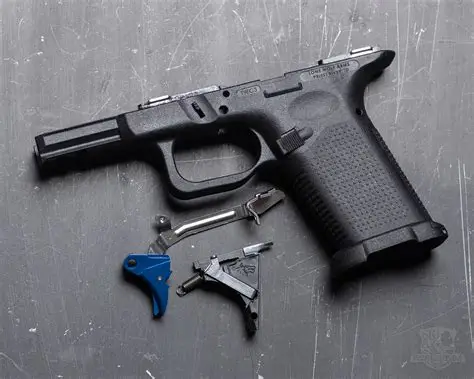
A polymer frame is a structural component made primarily from a durable synthetic material rather than traditional metal.
In modern handgun manufacturing, polymer is used to create the main frame structure, while important components such as the slide, barrel, and internal metal parts are manufactured separately.
Glock’s polymer-frame design combines these different materials into one engineered product.
The approach demonstrates how modern material science can contribute to changes in manufacturing, product design, and overall construction.
2. The History of Glock Polymer Technology
Glock’s relationship with polymer materials began before the company entered the handgun industry.
Gaston Glock founded his company in Austria in 1963, initially manufacturing products made from wood, metal, and polymer materials.
In the early 1980s, the Austrian military began searching for a new service pistol. Glock responded by developing a handgun that incorporated a polymer frame and the company’s Safe Action system.
The resulting P80 became the foundation of the Glock 17 and marked an important moment in modern handgun manufacturing.
3. Materials Used in Glock Frame Construction
Glock identifies its frame material as a proprietary, non-fiberglass-reinforced polymer.
According to the manufacturer, this material was developed to provide a combination of durability, reduced weight, and resistance to environmental conditions.
The polymer frame is only one part of the complete construction. Glock pistols also incorporate metal components that serve important structural and mechanical functions.
This combination of materials illustrates the role of material engineering in modern manufacturing.
4. Why Polymer Became Important in Modern Manufacturing
Polymer materials became increasingly important across several manufacturing industries because they offered alternatives to traditional materials.
Their characteristics made them useful in products where manufacturers wanted to explore different approaches to weight, design, and production.
In the firearms industry, polymer-frame construction became an important development because it demonstrated that modern handguns did not have to follow traditional all-metal frame designs.
Glock’s early adoption of this approach helped establish polymer-frame construction as a recognizable feature of modern pistol manufacturing.
5. Glock Polymer Frame Engineering
Glock’s polymer-frame technology reflects a combination of material science and manufacturing engineering.
The manufacturer identifies several characteristics of its proprietary polymer, including:
Material Durability: The company describes its polymer as resistant to various environmental conditions.
Weight Characteristics: Polymer construction contributes to reducing the overall weight of the product.
Corrosion Resistance: Unlike many exposed metal materials, the polymer frame itself does not rust.
Environmental Stability: Glock describes the material as resistant to different climatic conditions and lubricants.
Manufacturing Consistency: Polymer molding forms part of the company’s integrated manufacturing process.
These characteristics help explain why polymer materials became an important part of Glock’s product development.
6. The Role of Metal Components
Although Glock is well known for its polymer frames, its pistols are not entirely made from polymer.
Metal components remain an essential part of their overall construction.
Glock’s official documentation identifies hardened steel guides within the frame structure, while the slide and barrel are also manufactured from metal.
This combination demonstrates an important principle in modern engineering: different materials can be selected for different structural and mechanical requirements.
7. Glock Polymer Technology and Manufacturing Development
Glock’s manufacturing history is closely connected with developments in polymer molding and metal processing.
The company describes its production system as incorporating several manufacturing technologies, including plastic injection molding, CNC machining, cold hammer forging, and metal injection molding.
These processes illustrate the combination of different production technologies used in modern firearm manufacturing.
The development of polymer-frame technology also demonstrates how manufacturers can integrate material science with established industrial production methods.
8. The Influence of Glock on the Firearms Industry
Glock’s early polymer-frame pistols helped bring greater attention to synthetic materials in handgun manufacturing.
Over time, polymer-frame construction became a common design approach among numerous manufacturers.
The wider industry began exploring different polymer formulations, frame configurations, and manufacturing technologies.
Glock’s contribution remains an important part of the historical development of modern handguns.
9. The Future of Polymer Frame Technology
Material science continues to develop, and polymer engineering remains relevant across automotive, aerospace, medical, electronics, and industrial manufacturing.
Within the firearms industry, manufacturers continue to explore material properties, production consistency, and new design concepts.
Glock’s polymer-frame heritage demonstrates how an early manufacturing innovation can become a defining characteristic of an internationally recognized product family.
Conclusion
Glock polymer-frame technology represents an important development in modern handgun manufacturing.
From the company’s early experience with polymer materials to the introduction of the P80 in the early 1980s, this engineering approach helped establish a new chapter in the history of modern pistols.
By combining polymer and metal components, Glock developed a recognizable manufacturing identity that influenced the wider firearms industry.
Understanding this technology provides valuable insight into material science, industrial manufacturing, and the evolution of modern firearm design.